Writings
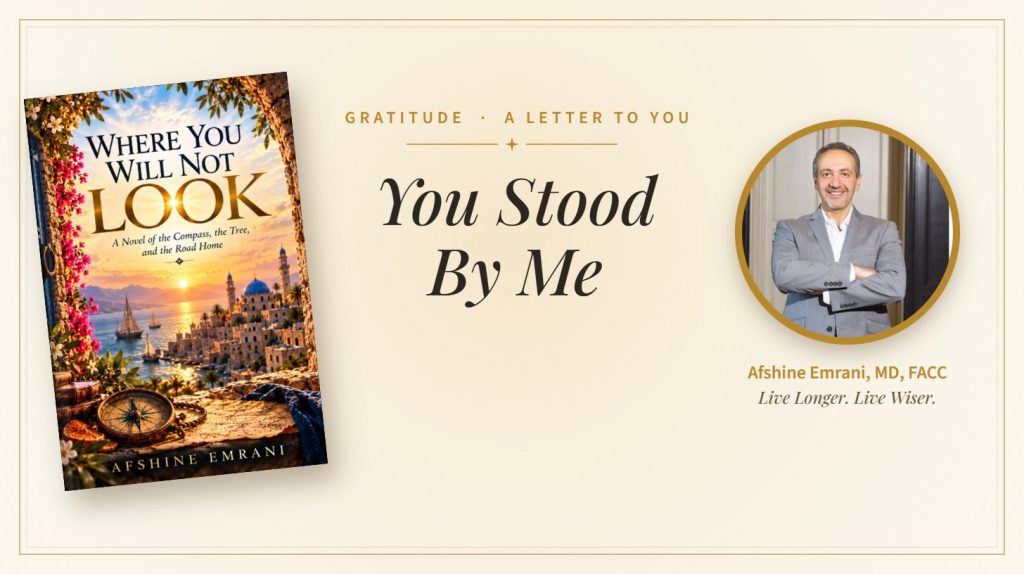
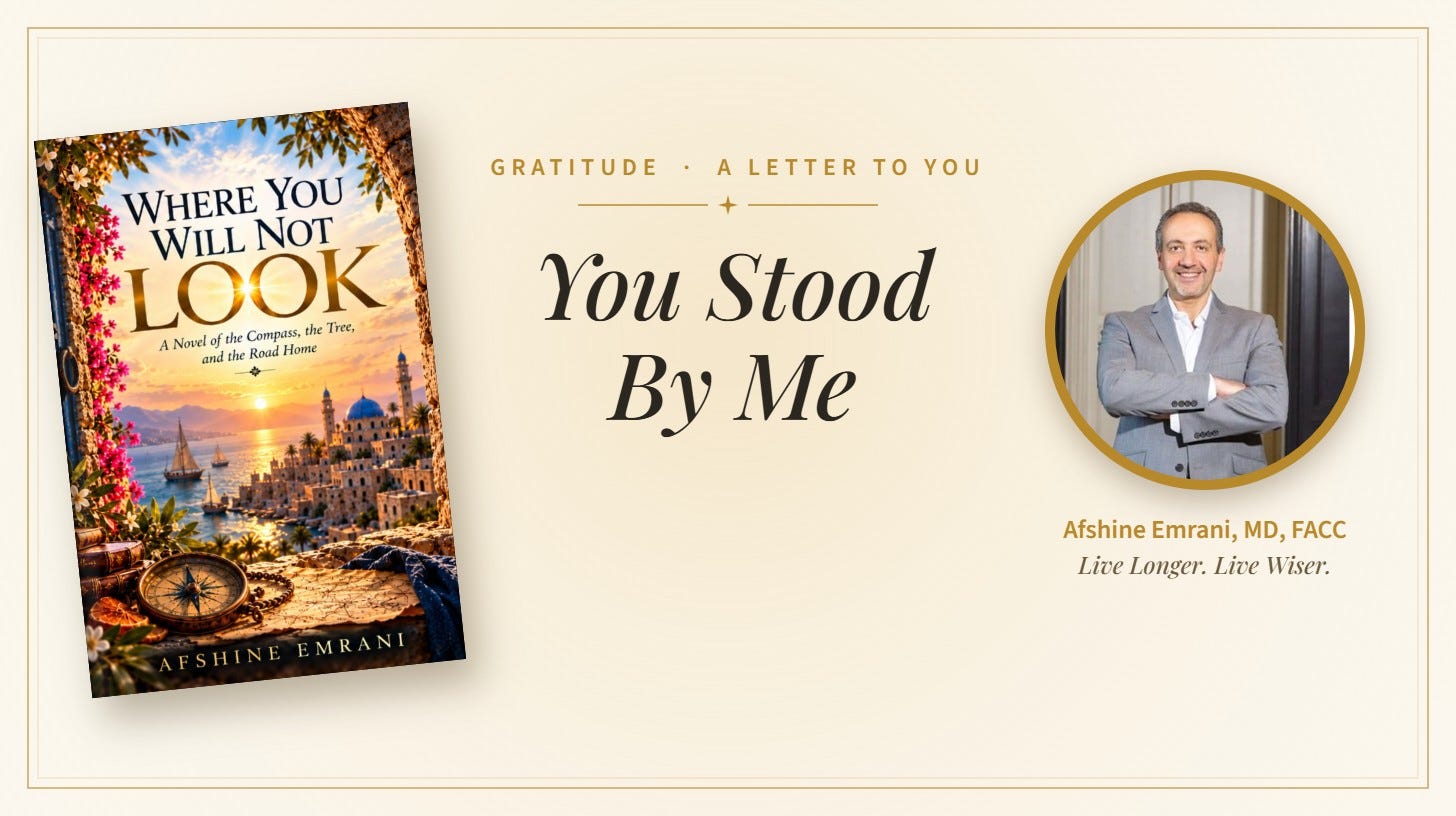
You Stood By Me: A Thank-You Letter to My Readers
Originally published on Substack.
Dear friends,
When I started writing here, I had no strategy and no audience. I had one rule: tell people the truth about the heart, about aging, about what the evidence says and what it doesn’t. I honestly didn’t know whether anyone would read it.
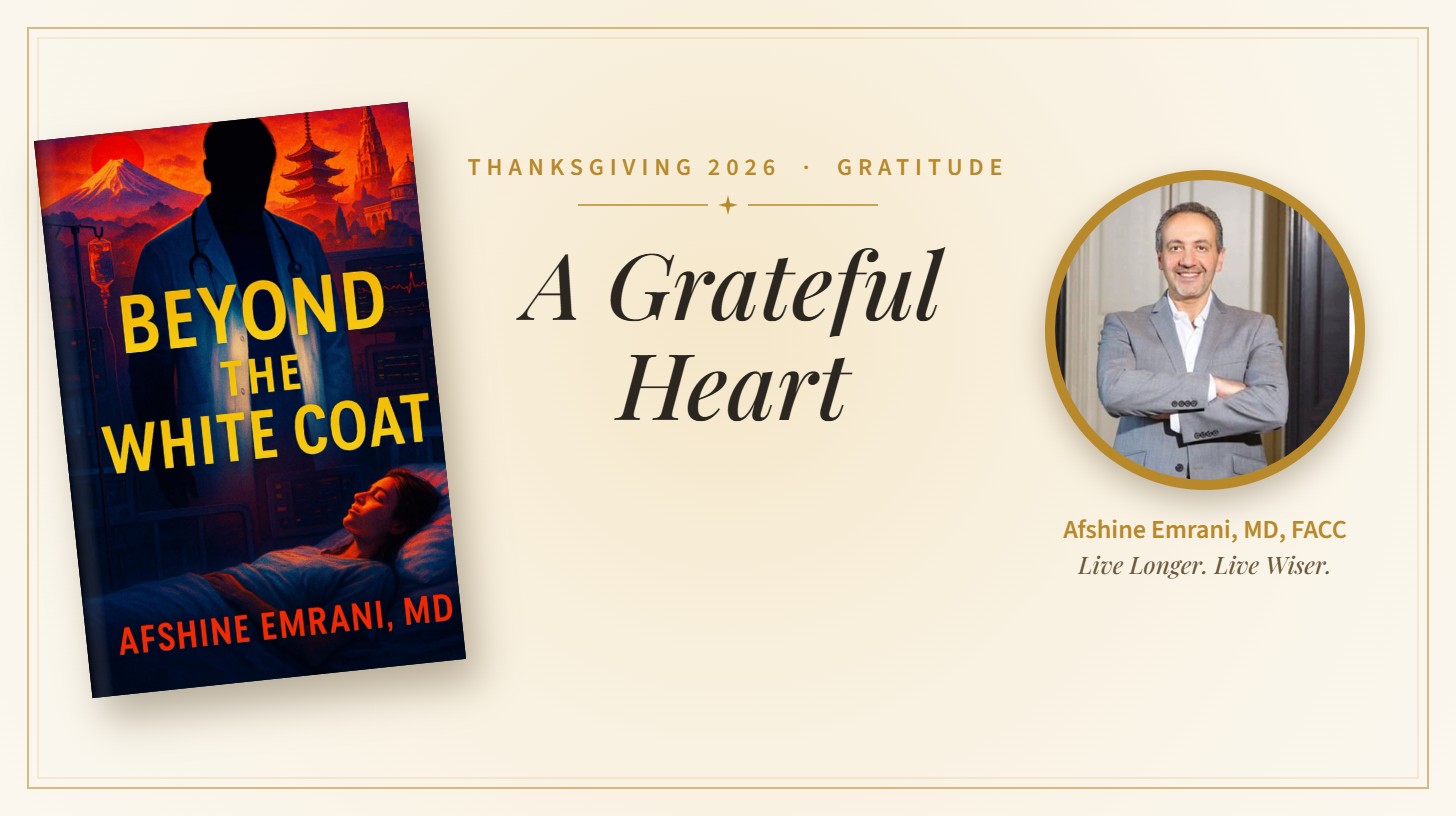
This week, Beyond the White Coat reached #5 in Health & Wellness on Substack.
I didn’t think that was possible. And I want to tell you how it happened, because you deserve the honest version.
I made a lot of mistakes. Some weeks I sent you too many emails. I sent typos, a broken link, a headline I wish I could take back. I tried things that didn’t work, and then I tried more things. A cardiologist learning to write in public is not always a pretty sight.
And you stayed. You opened the emails. You wrote back. You corrected me, kindly. You forwarded a post to your sister, your father, your friend who had just gotten a frightening lab result. Some of you became paid members before I had earned it.
I made many mistakes, and you stood by me. That is the whole story of this year.
So this is a thank-you letter. But I can’t write a thank-you without thinking about what gratitude actually is. Here is what this season has been teaching me.
Gratitude comes before the day, not after it
Every morning, before my feet touch the floor, I say two Hebrew words: Modeh Ani. I give thanks. I say it before I check my phone, before I see a single patient, before I know whether the day will bring good news or bad.
That order matters. If I waited to see how the day turned out, I would be thanking the outcome. Saying it first means I am thanking the gift itself: one more morning, one more breath, one more chance to do some good.
Abraham Lincoln understood this. In 1863, in the middle of the Civil War and not long after burying his young son Willie, he called the nation to a day of Thanksgiving. He wrote of “fruitful fields and healthful skies.” He didn’t wait for an easy year. Gratitude is not something you feel after the storm. It is something you practice inside it.
A heart can be heavy and grateful at the same time
In my office I see families on the best days of their lives and on the worst. After nearly thirty years, this is what I know: grief and gratitude are not opposites. They are neighbors. Often they sit in the same chair.
Many of you sat down at Thanksgiving this week with an empty seat at the table. You can miss someone terribly and still be thankful you had them. Both of those feelings are love. One of them just hurts more.
Some of the gifts in my own life arrived disguised as losses. The country my family fled. The plans that fell apart. The things I got wrong here, in front of all of you. I wouldn’t have chosen any of them. I am grateful for what each one taught me.

Follow the sunbeam back to the sun
C.S. Lewis described gratitude as the mind running “back up the sunbeam to the sun.” Gratitude doesn’t stop at the gift. It follows the gift home, to whoever gave it.
When I follow this newsletter back to its source, I don’t find an algorithm or a growth chart. I find you. Every open, every comment, every share, every subscription was a person deciding that a doctor’s words were worth their time. A ranking is just a number. Behind that number are thousands of people who trusted me, and that trust is the real gift.
And when I follow my own life back up the sunbeam, I find my parents, who gave up everything so I could have this one. I find my teachers. I find my patients, who have taught me more than any textbook. Today, I find you too.
The cardiologist’s prescription
As a doctor, let me add one practical note. Research links regular gratitude practice with less stress, better sleep and healthier habits. It is not a cure for anything. But stress is hard on the heart, and gratitude is one of the best stress medicines I know. It is free, it has no side effects and you don’t need a prescription.
Here is what I’d have you try this week:
-
Give thanks before your feet hit the floor. Before the news, before the phone.
-
Write down one gift a day, and trace it to its source, to the person or the moment behind it.
-
Tell one person, out loud, what they did for you. Don’t wait for a holiday.
-
On the hardest day, name one gift anyway. That is where the practice really counts.
My promise to you for the year ahead
I will keep telling you the truth: evidence, not hype. When the science changes, I will change with it. When I am wrong, I will say so in front of everyone. I will write less often when I have less to say and more carefully when it matters. And I will keep writing for one reason: to help you live longer and live wiser.
From the bottom of my heart, the one in my chest and the one that carries all our hopes, thank you.
You took the notes of a doctor in a small office in Tarzana and carried them into the top five in Health & Wellness. I didn’t do that alone. We did it together.
If this newsletter has helped you or someone you love, the best thank-you you could give me is to share it with one person who needs it.
And if you want everything I’ve learned about living longer in one place, it’s in my book Longevity Unmasked: 433 of the most-asked longevity questions, each answer graded on the evidence.
Blessings.
Afshine Ash Emrani, M.D., F.A.C.C.
Assistant Clinical Professor, UCLA David Geffen School of Medicine
Castle Connolly Top Doctor since 2008 · Los Angeles Magazine Super Doctor since 2010 · LA Style Top 100 Doctors in America (2024)
This article is general education, not medical advice, and does not create a doctor-patient relationship. Talk with your own doctor before starting, stopping or changing any medicine, supplement, hormone or peptide. Emergency? Call 911.